

Sustainable Ocean Solutions Voyage 2025
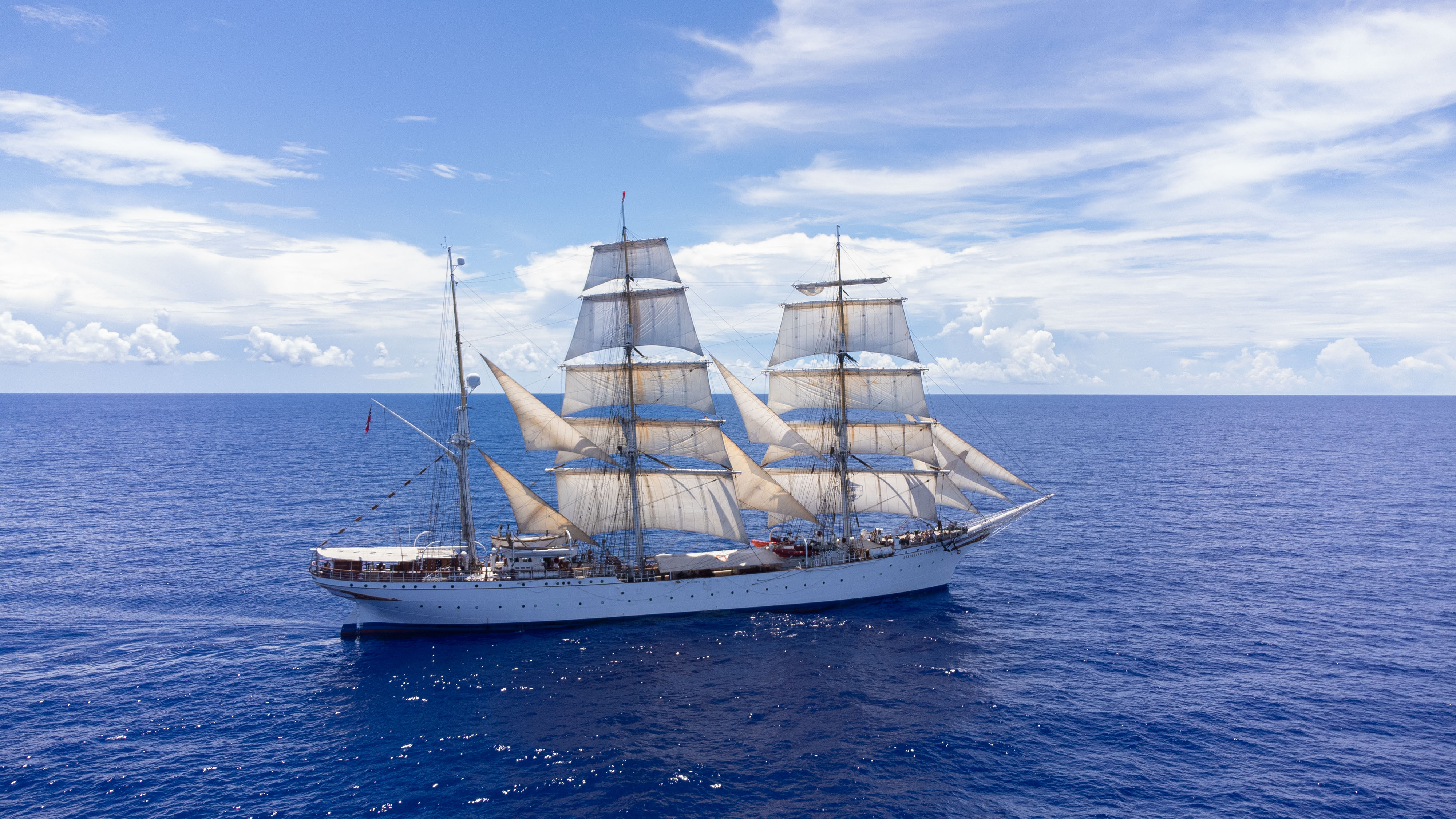
The SOS Voyage 2025 was designed as a transformational experience — a journey where global changemakers moved from summit to sea and turned insight into action.
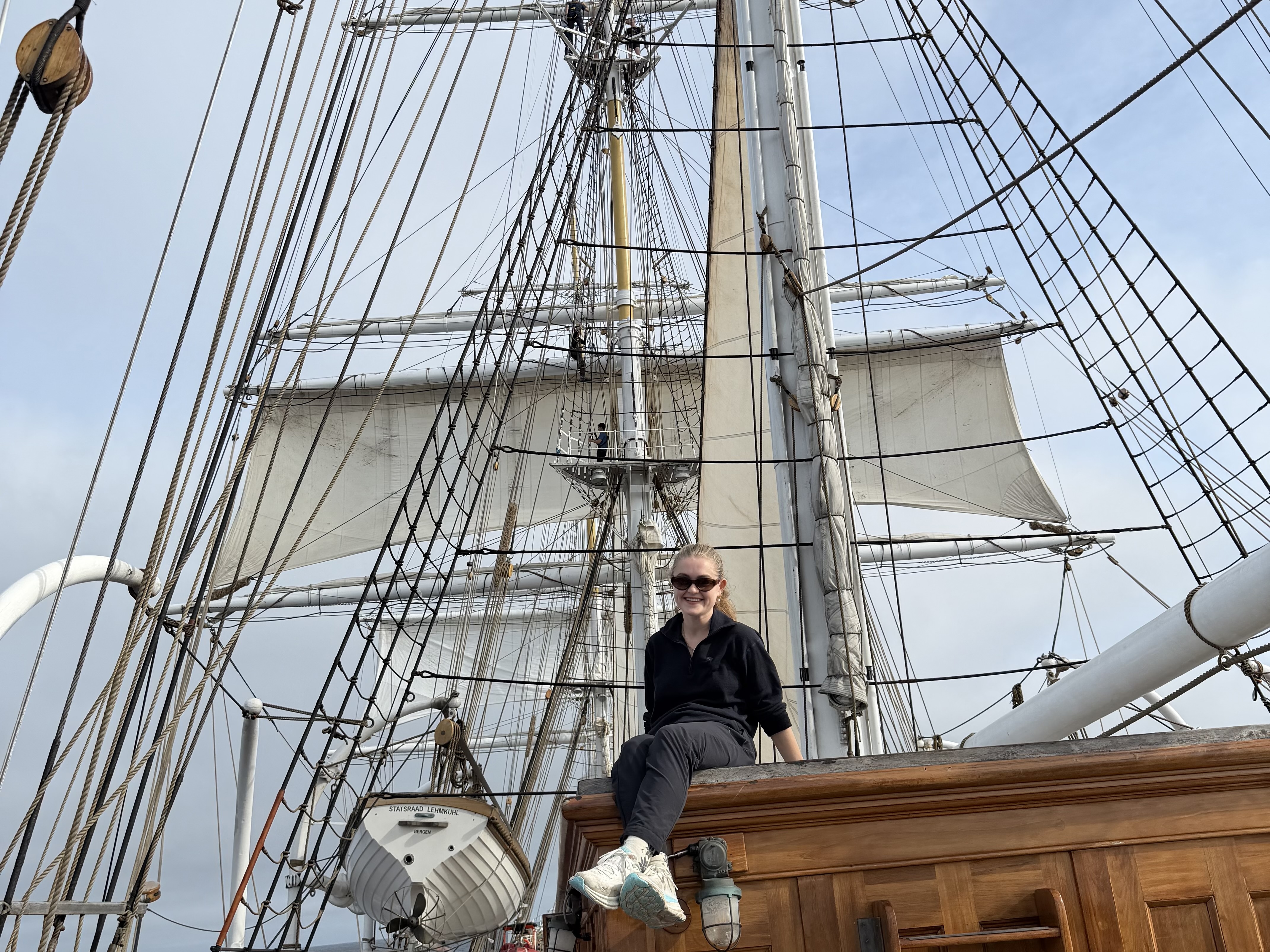
The SOS Voyage 2025 was designed as a transformational experience — a journey where global changemakers moved from summit to sea and turned insight into action. Sailing from San Francisco to San Diego aboard the tall ship Statsraad Lehmkuhl, participants became part of the working crew. They discovered what leadership looks like when practiced under real conditions: standing night watch, adjusting sails, hauling lines, keeping lookout, and relying on one another for safety and progress.
At sea, leadership became tangible. Trust, communication, adaptability, and teamwork shaped every moment — and the ship itself became a living metaphor for cross-sector collaboration: when everyone understands their role and pulls in the same direction, real movement happens.
As part of the One Ocean Expedition, recognized by the UN Decade of Ocean Science for Sustainable Development, the voyage functioned as a mobile platform for learning, scientific insight, innovation, and co-creation. Participants carried the momentum from the SOS Summit with them offshore, transforming shared learning into lived experience and concrete pilot ideas.
Together, the summit and voyage form the core of the Sustainable Ocean Solutions vision:
uniting people, knowledge, and creativity to drive transformative ocean action across continents.
Learning as crew — leadership in motion
Throughout the voyage, participants were part of the working crew:
- standing watch at night,
- adjusting sails,
- hauling lines,
- keeping lookout,
- and relying on each other for safety and progress.
These shared responsibilities revealed the essence of leadership at sea — trust, communication, adaptability, and teamwork.
Turn insight into action
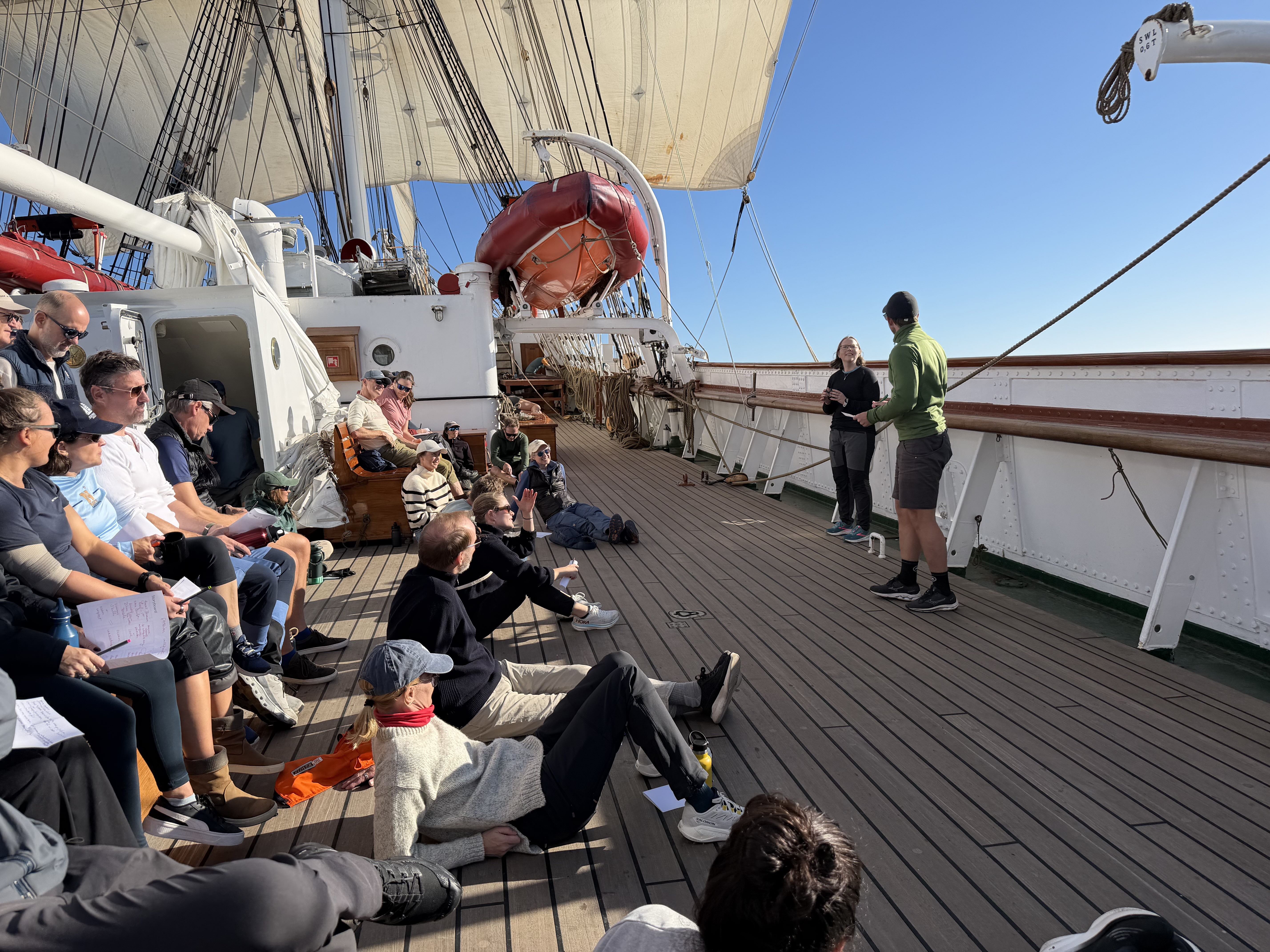
We continued the momentum from the Summit with focused professional sessions designed to turn insight into action. Participants worked on concrete tasks — writing their personal Ocean Stories, exploring how to translate knowledge into real-world impact, and identifying ways to collaborate across borders and disciplines. These sessions deepened the learning from the Summit and strengthened the foundations for long-term, cross-sector ocean solutions.
Speakers
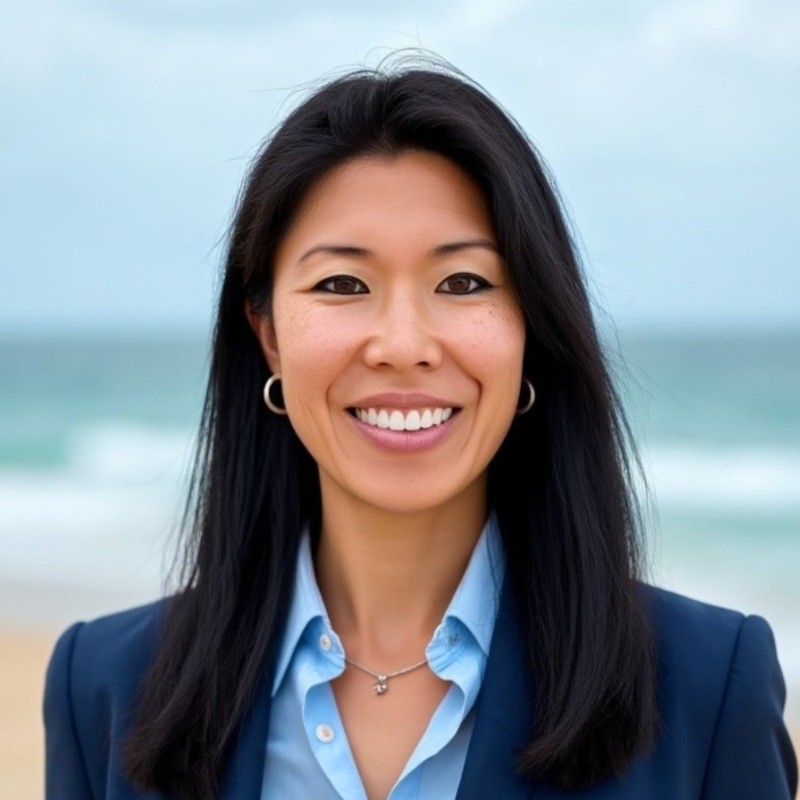

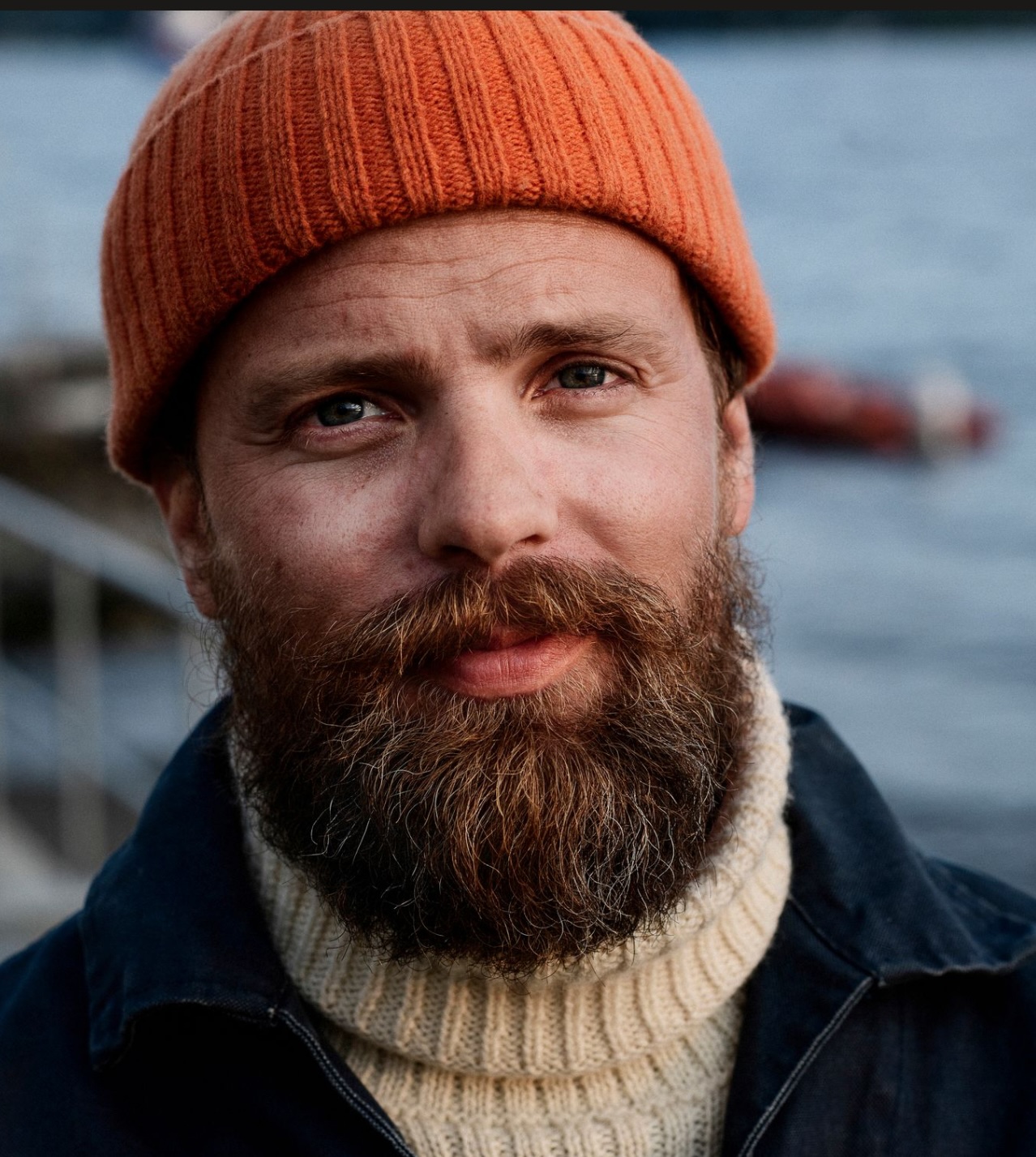
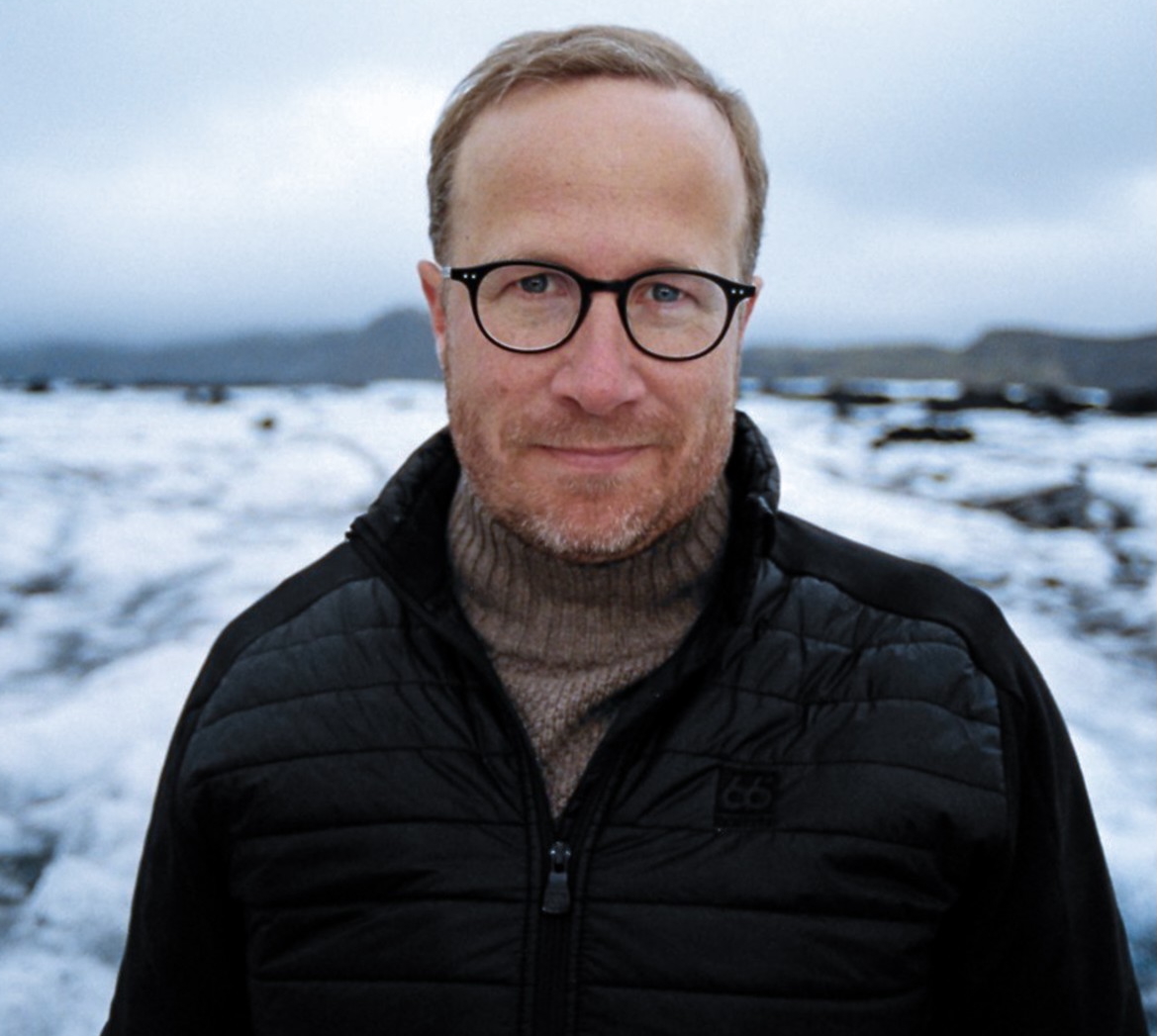
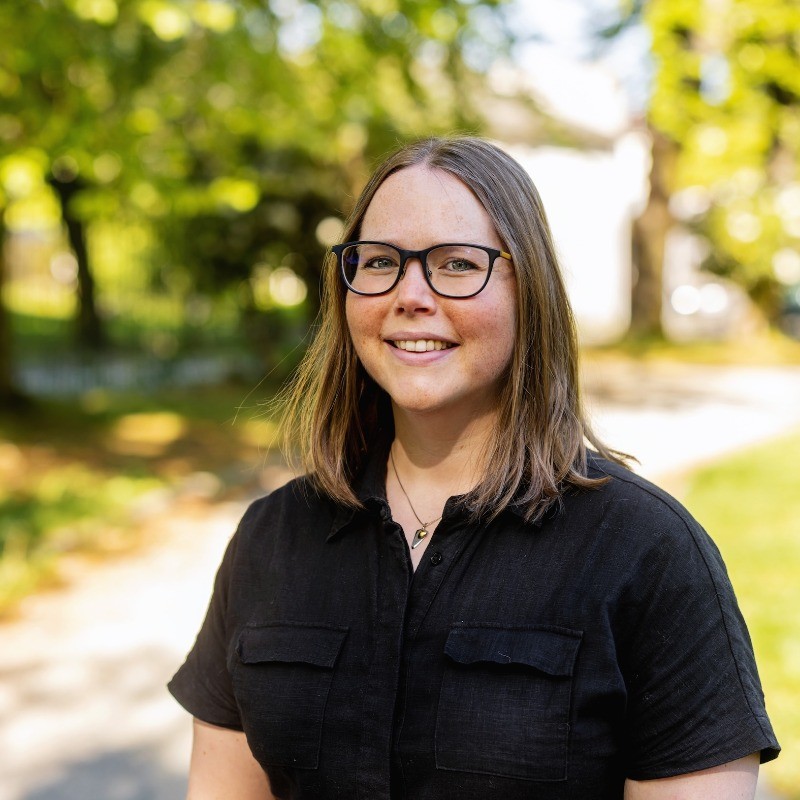
Marte Mjånes Torkildsen


Helen Amanda Fricker


Program
Bridging science and finance
Hilde Holdhus (Sarsia), Professor Helen Amanda Fricker and Dr. Bryony Freer (Scripps Institution of Oceanography)
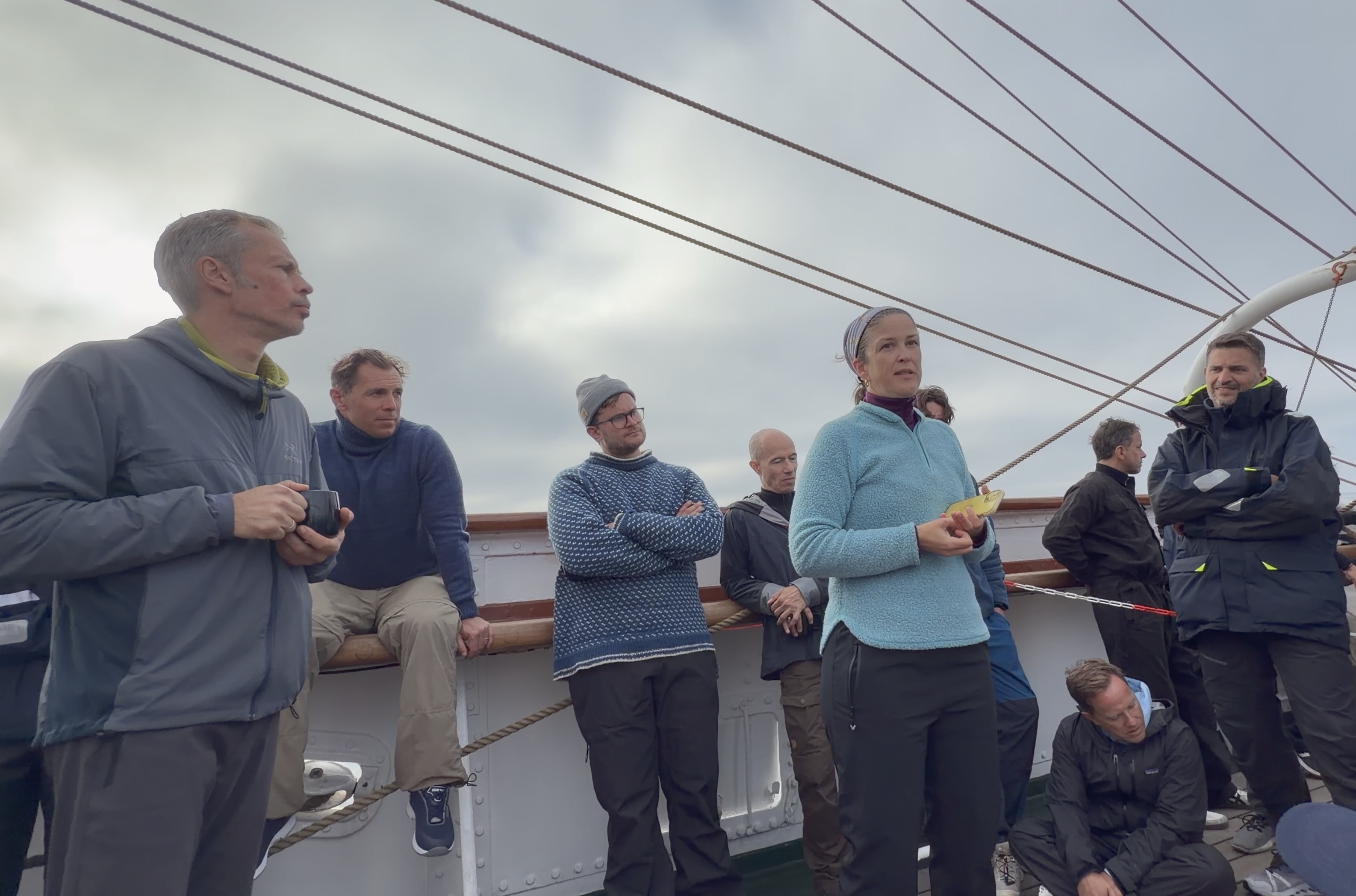
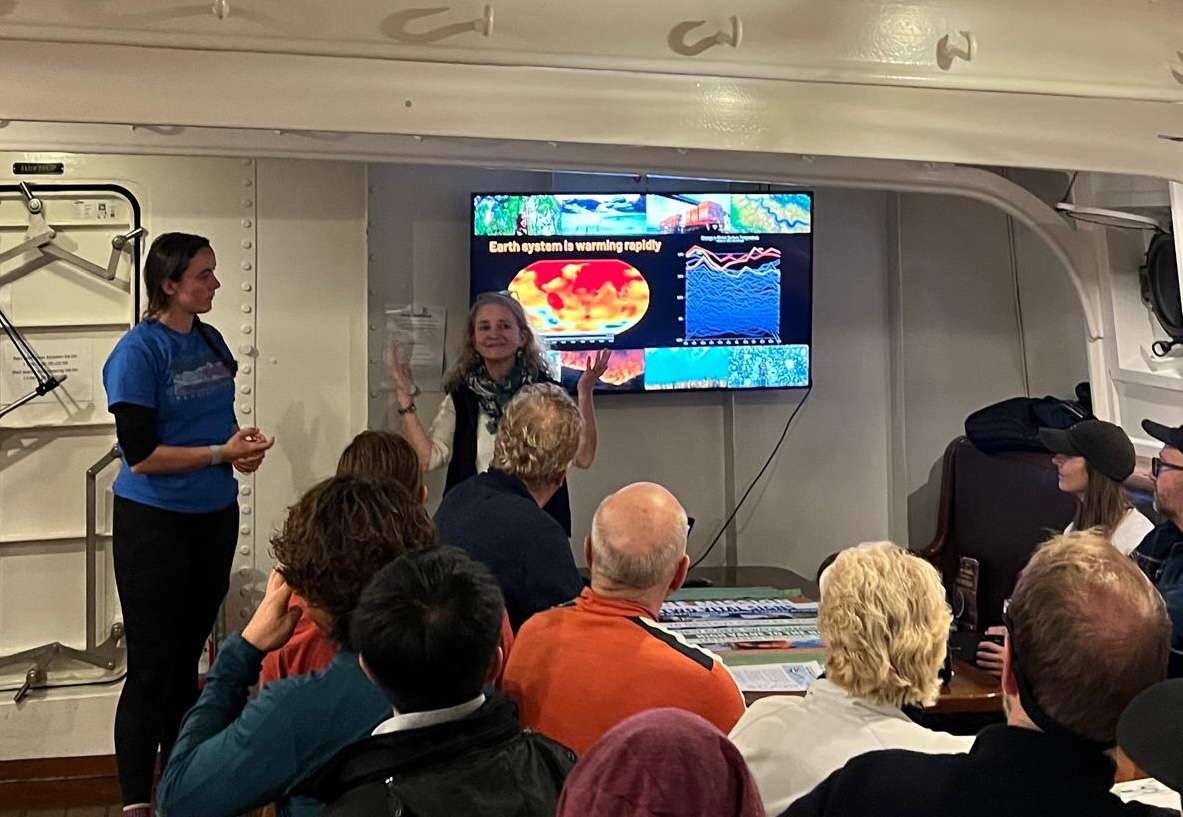
Hilde led a session on how climate and ocean science can better align with financial mechanisms. She explored data transparency, investment risk profiles, and how emerging ocean technologies can access capital earlier.
Helen and Bryony presented cutting-edge research on ice–ocean interactions and sea-level rise, highlighting why polar science must inform ocean policy and innovation pipelines.
From science to action
Natacha Fabregas, Science Coordinator, One Ocean Expedition and Geir Huse, Senior Scientist, Institute of Marine Research (IMR), Norway
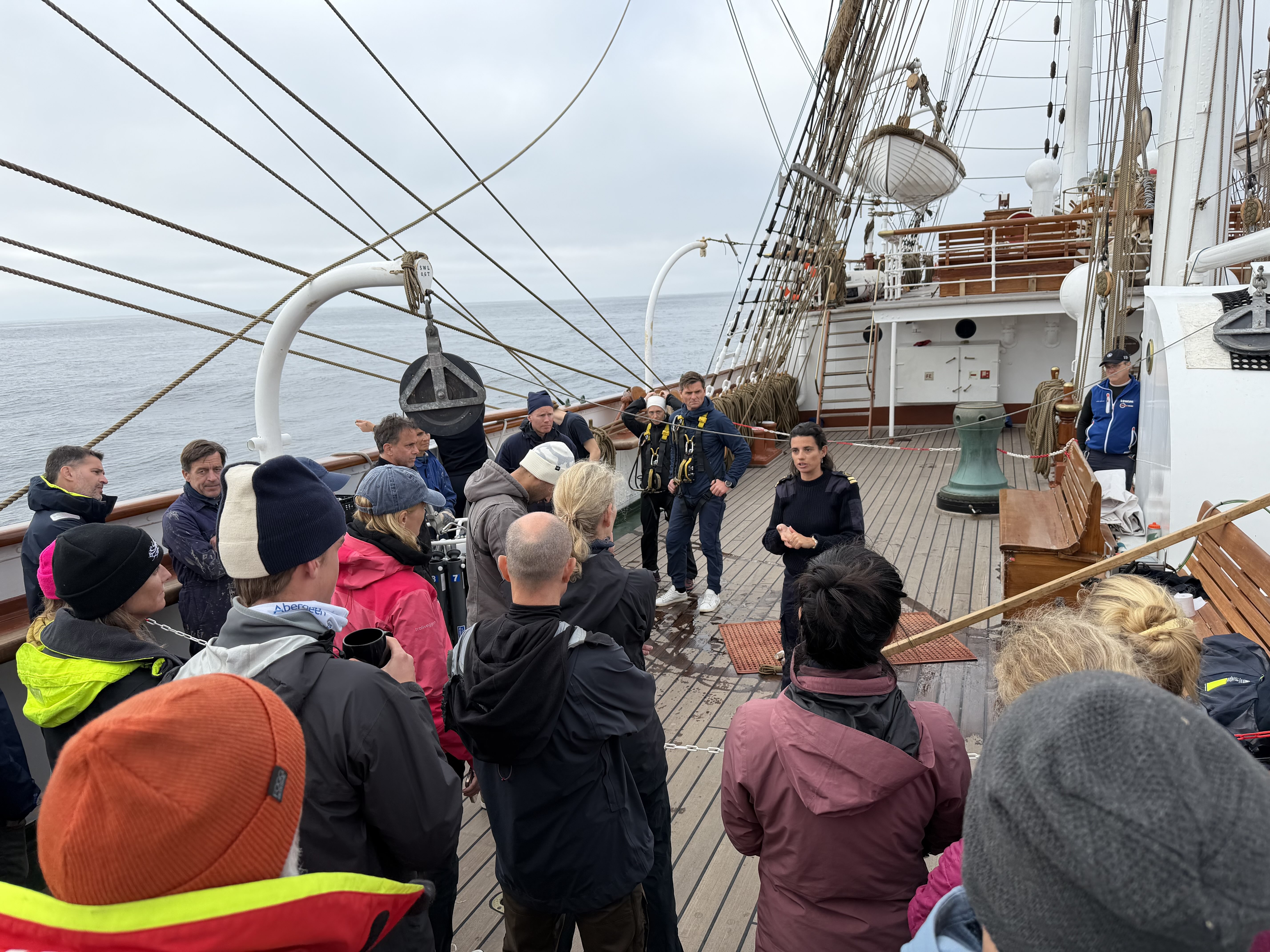
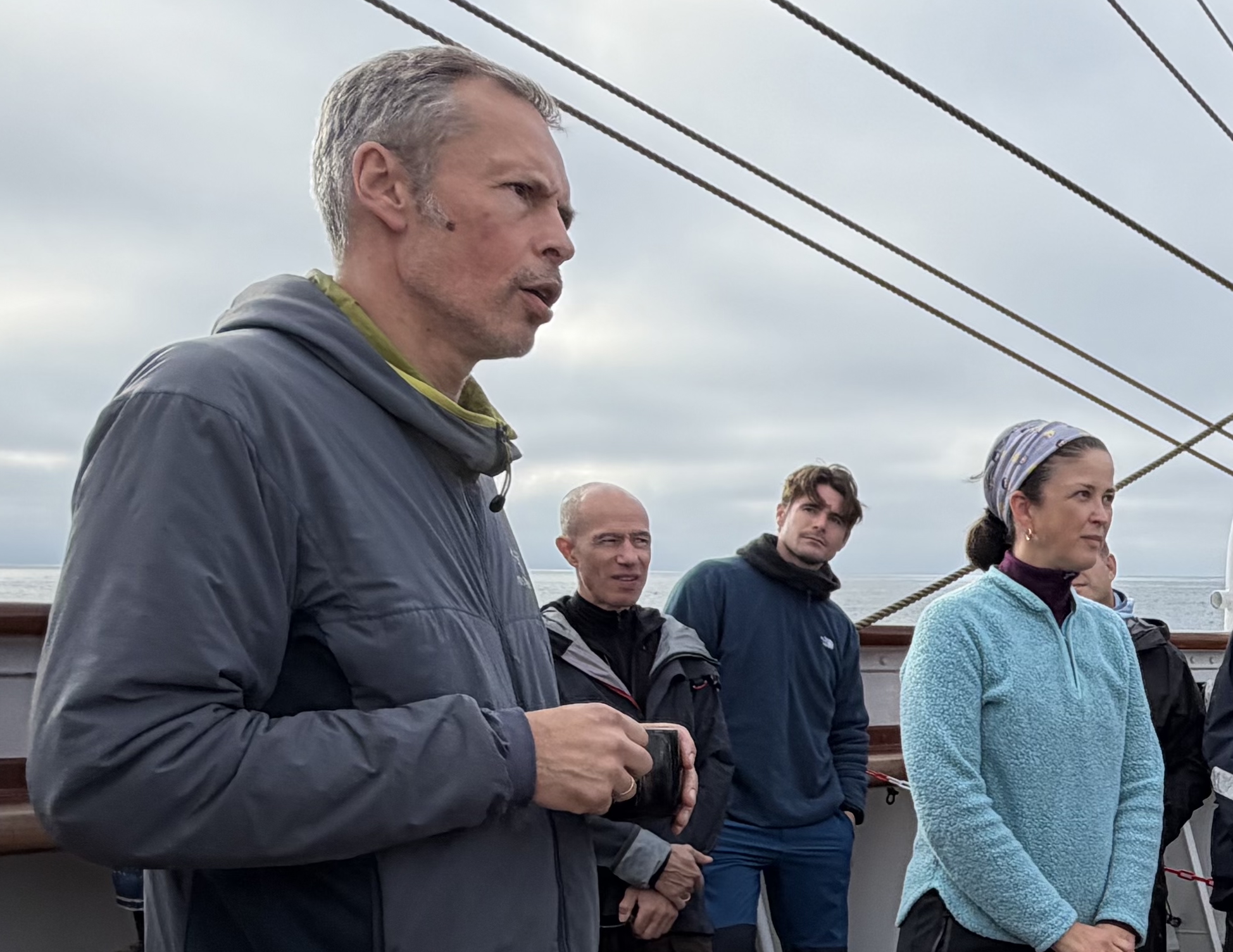
They showed how the One Ocean Expedition collects open-access scientific data, and how collaboration between research institutions and industry can turn ocean observations into applied solutions.
Storytelling to save the ocean
Andri Snær Magnason, Mia Haugen (Blended value group) and Marte Mjånes Torkildsen (VilVite / Bergen Science Centre)
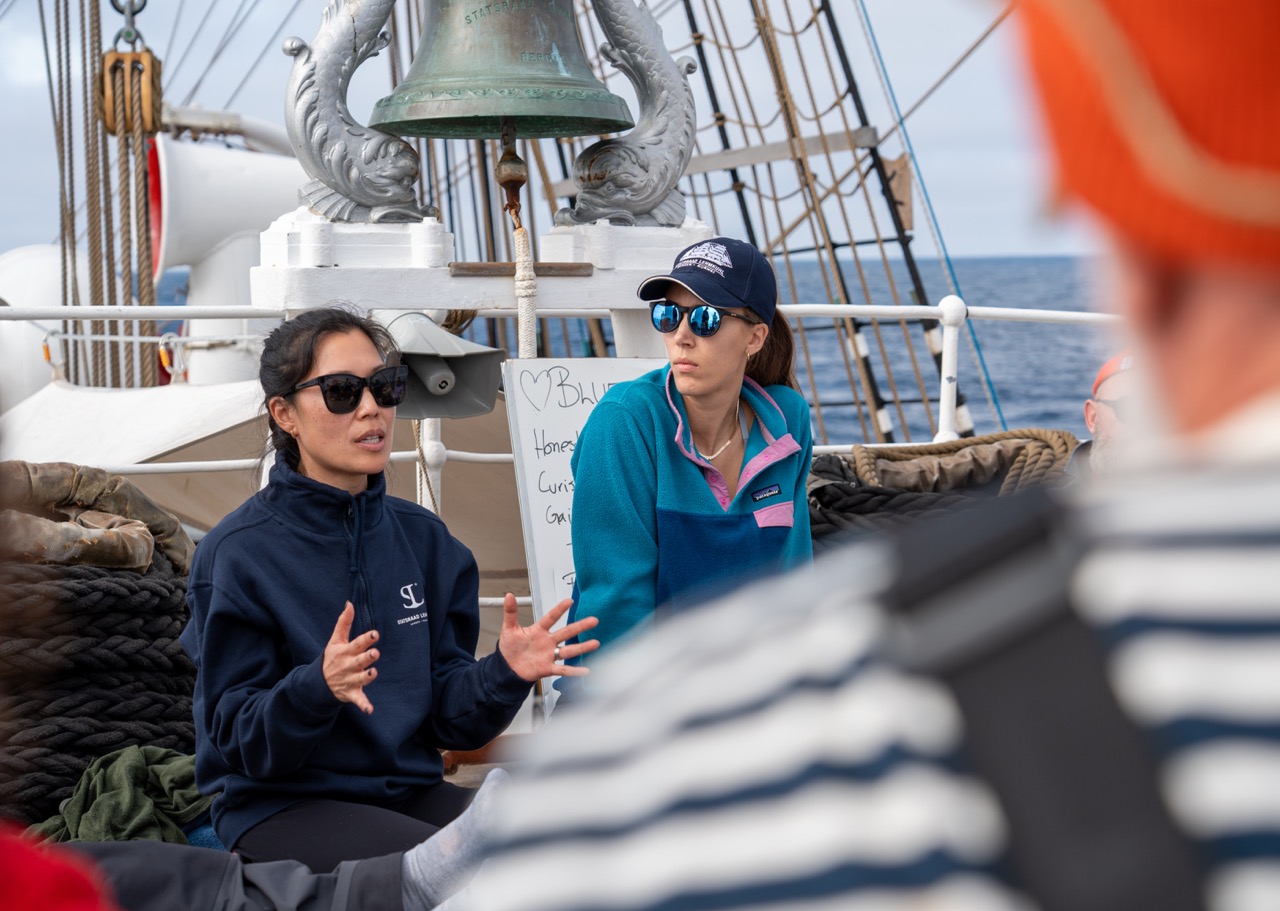
In this session, participants explored how storytelling can shape behaviour, collaboration, and systems change. Andri Snær Magnason opened by helping the group identify the emotional core of their ocean stories, showing how values — not just facts — create powerful narratives. Mia Haugen followed with strategies for mobilizing larger audiences, guiding participants as they began shaping messages with real impact.
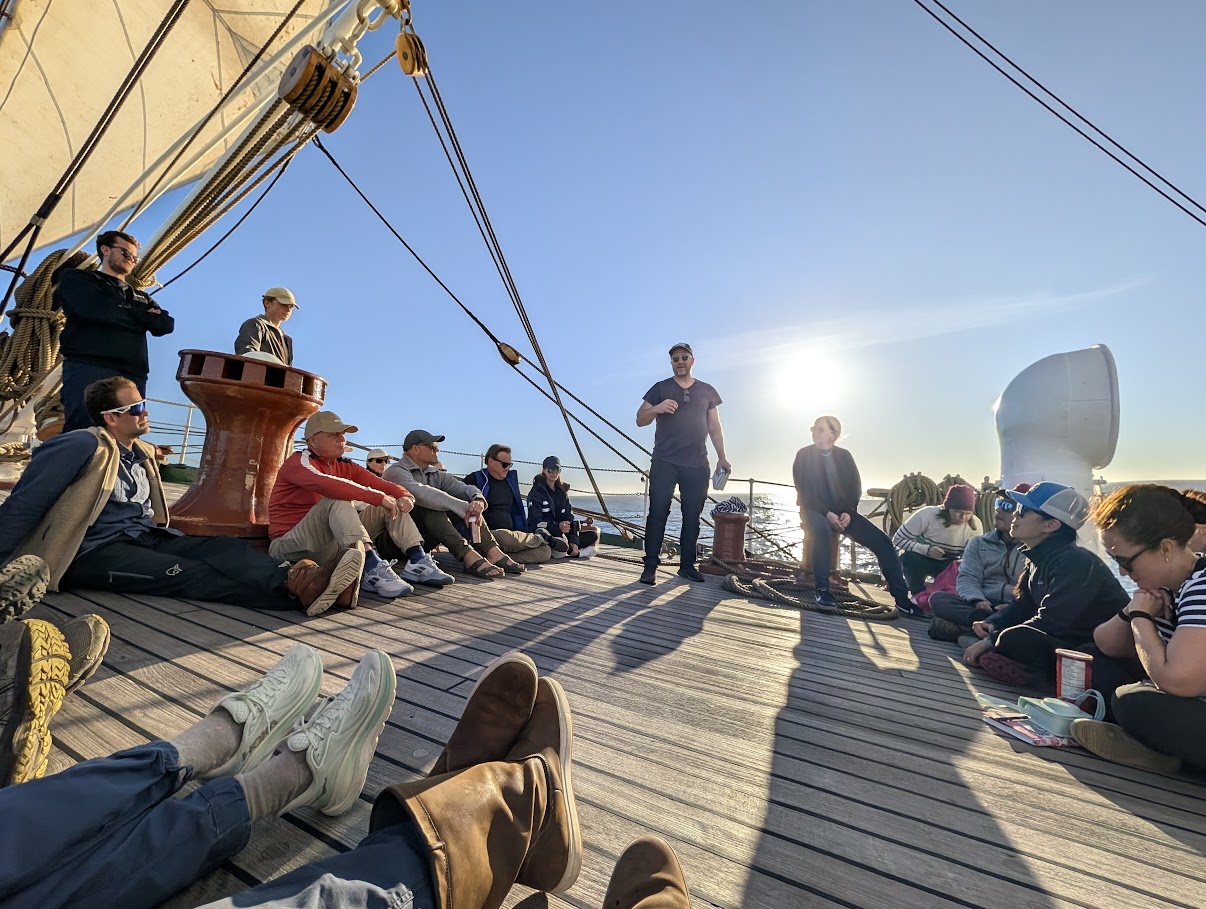
Marte Mjånes Torkildsen then led the group into writing their own Ocean Stories. On deck at sunset, several participants shared what they had created — from sea shanties and childhood memories to poetry and even an ode to parents who inspired their connection to the ocean.
The session revealed how curiosity, creativity, and personal truth can move people — and why storytelling remains one of the most powerful tools for ocean action.

A Ship as an Innovation Tool
Malin Haara, (Maritime Bergen) and Johan Brand (WeAreHuman)
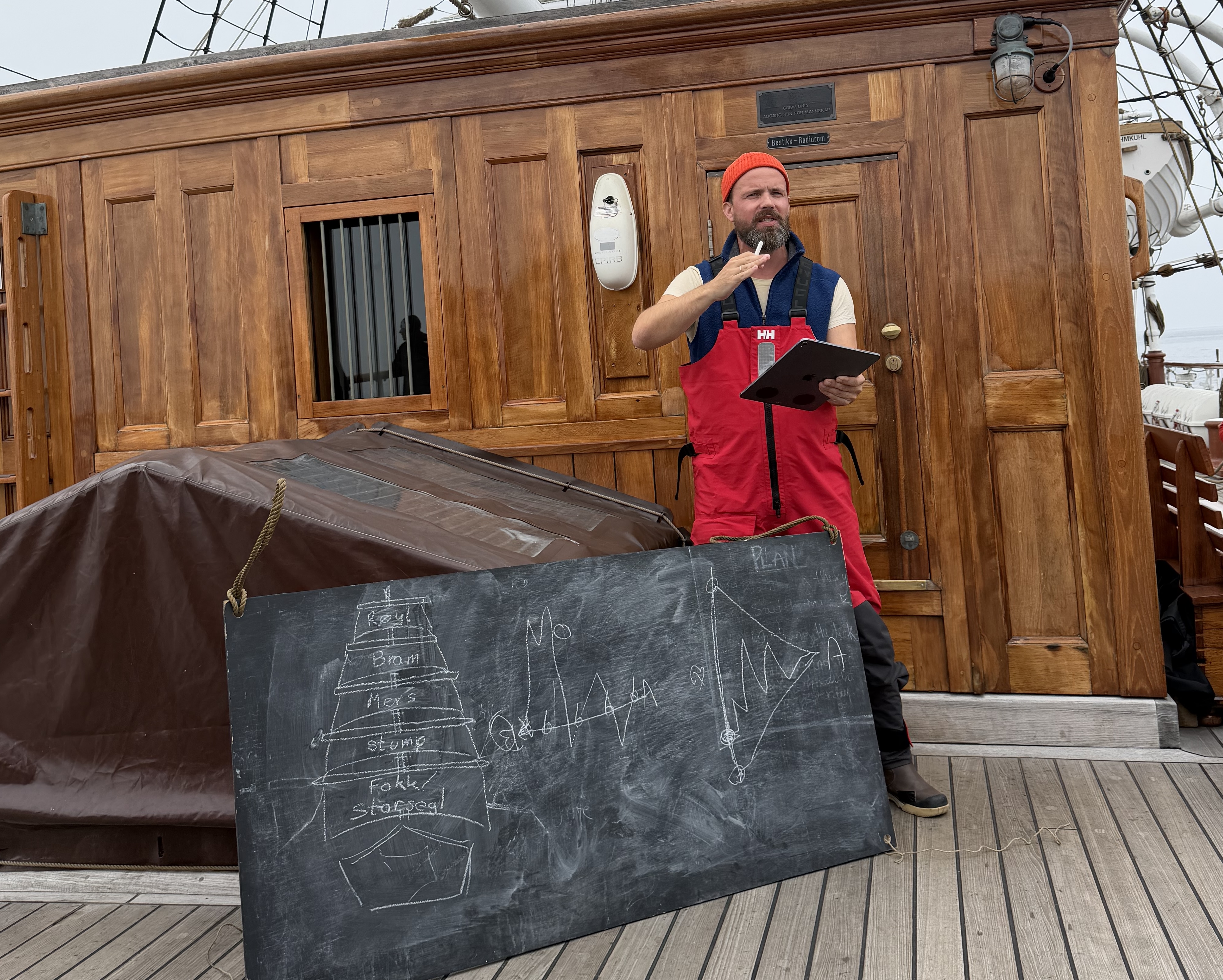
This session examined how maritime principles, language, and navigation translate directly into modern leadership and innovation. Participants explored how expressions such as “all hands on deck,” “steady course,” and “navigate uncertainty” reflect a culture built on trust, coordination, and shared responsibility — and how these same dynamics shape high-performing teams on land.
The workshop introduced the concept of the personal compass, inviting participants to reflect on the values and internal logic guiding decision-making when goals are uncertain. This connected to themes from the Transformative Leadership session at the SOS Summit, emphasizing value-driven leadership over rigid planning.
A central discussion focused on clear vs. fuzzy goals, using seamanship as a metaphor: while the destination may be fixed, the route must constantly adjust to changing conditions. Participants related this to adaptive strategy in their own organizations.
Life onboard the tall ship reinforced that collaboration is inherently practical. Shared cabins, seasickness, and the duties of sailing dissolved hierarchy and created a living example of an ecosystem where every role matters and alignment comes from shared purpose — not structure.
The workshop demonstrated how maritime wisdom can serve as a practical guide for innovation and teamwork: fostering adaptive strategy, value clarity, responsibility, and collective navigation toward common goals.
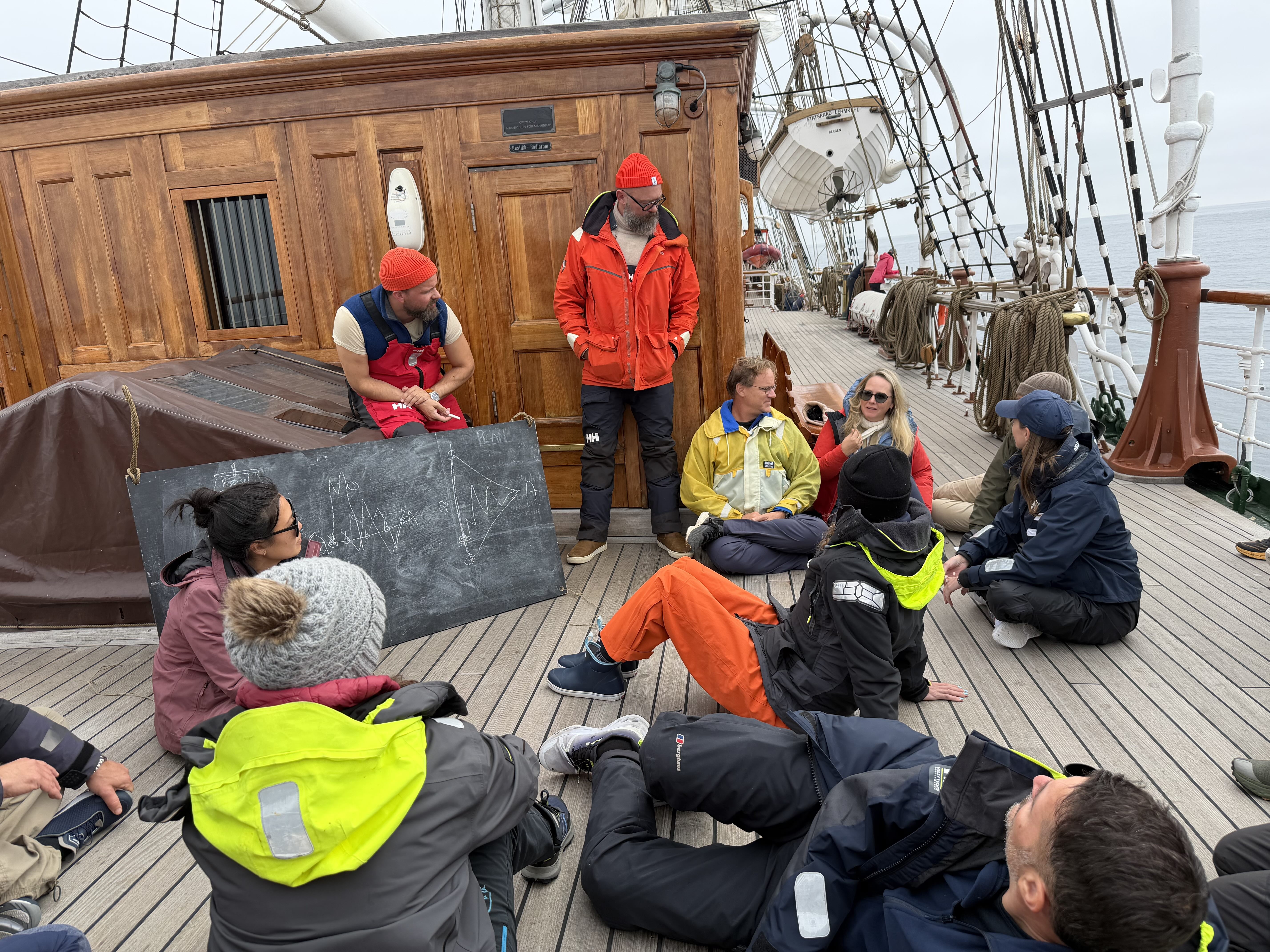
Cross-border collaboration
Sharon Røe (Innovation Norway, San Francisco) and Anne Park (Sustainable Ocean Alliance)
Sharon and Anne reflected on collaboration as a capability—not an outcome— and emphasized the need for structured mechanisms across countries and sectors. They highlighted the importance of aligning actions across youth networks, policy institutions, and private capital. And gave a review of successful Norway–US collaborations showcased how shared science, shared funding, and shared governance can unlock scalable ocean solutions.
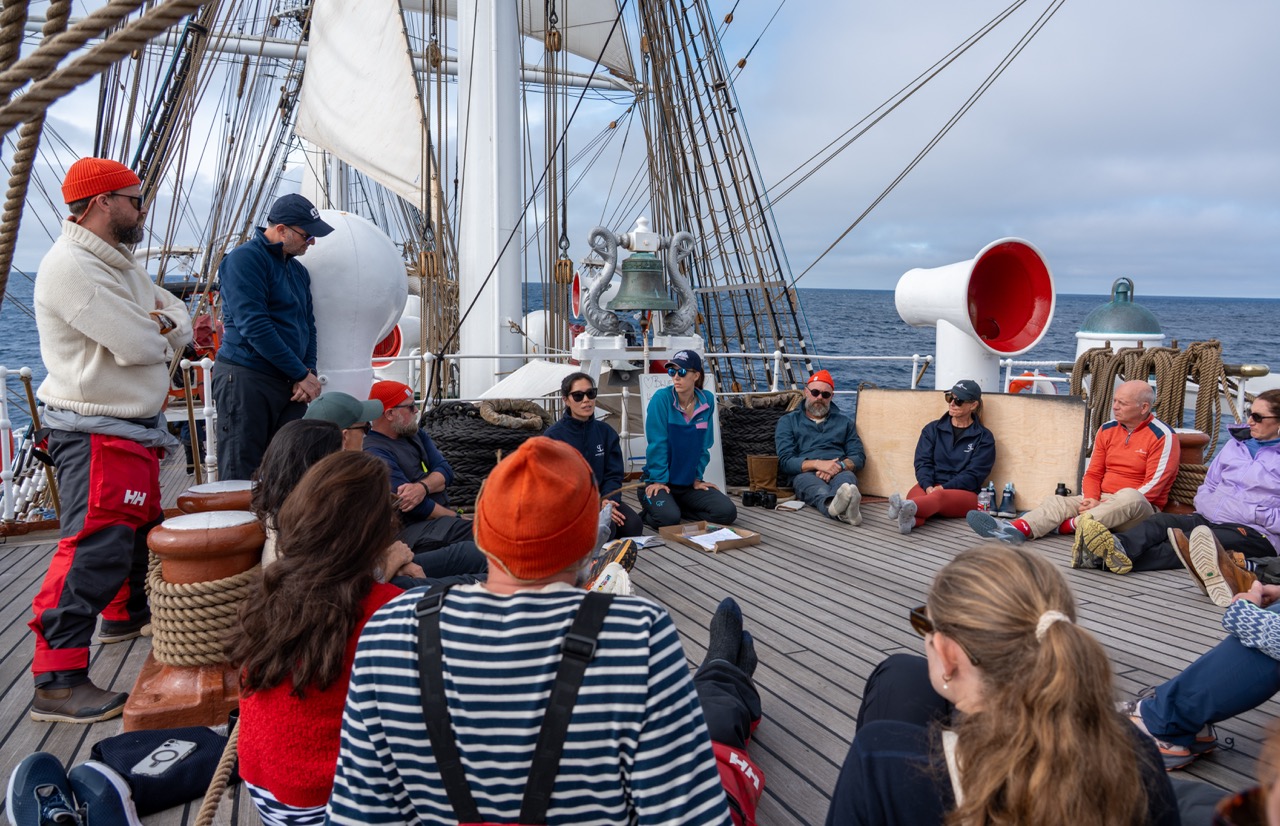
The voyage ended with a collective conversation on what participants would take back to shore — as leaders, innovators, and collaborators. The insights, relationships, and pilot ideas formed at sea now move into the next phase of the Sustainable Ocean Solutions agenda.
Program
Bridging science and finance
Hilde Holdhus (Sarsia), Professor Helen Amanda Fricker and Dr. Bryony Freer (Scripps Institution of Oceanography)
Hilde led a session on how climate and ocean science can better align with financial mechanisms. She explored data transparency, investment risk profiles, and how emerging ocean technologies can access capital earlier.
Helen and Bryony presented cutting-edge research on ice–ocean interactions and sea-level rise, highlighting why polar science must inform ocean policy and innovation pipelines.
From science to action
Natacha Fabregas, Science Coordinator, One Ocean Expedition and Geir Huse, Senior Scientist, Institute of Marine Research (IMR), Norway
They showed how the One Ocean Expedition collects open-access scientific data, and how collaboration between research institutions and industry can turn ocean observations into applied solutions.
Storytelling to save the ocean
Andri Snær Magnason, Mia Haugen (Blended value group) and Marte Mjånes Torkildsen (VilVite / Bergen Science Centre)
In this session, participants explored how storytelling can shape behaviour, collaboration, and systems change. Andri Snær Magnason opened by helping the group identify the emotional core of their ocean stories, showing how values — not just facts — create powerful narratives. Mia Haugen followed with strategies for mobilizing larger audiences, guiding participants as they began shaping messages with real impact.
Marte Mjånes Torkildsen then led the group into writing their own Ocean Stories. On deck at sunset, several participants shared what they had created — from sea shanties and childhood memories to poetry and even an ode to parents who inspired their connection to the ocean.
The session revealed how curiosity, creativity, and personal truth can move people — and why storytelling remains one of the most powerful tools for ocean action.
A Ship as an Innovation Tool
Malin Haara, (Maritime Bergen) and Johan Brand (WeAreHuman)
This session examined how maritime principles, language, and navigation translate directly into modern leadership and innovation. Participants explored how expressions such as “all hands on deck,” “steady course,” and “navigate uncertainty” reflect a culture built on trust, coordination, and shared responsibility — and how these same dynamics shape high-performing teams on land.
The workshop introduced the concept of the personal compass, inviting participants to reflect on the values and internal logic guiding decision-making when goals are uncertain. This connected to themes from the Transformative Leadership session at the SOS Summit, emphasizing value-driven leadership over rigid planning.
A central discussion focused on clear vs. fuzzy goals, using seamanship as a metaphor: while the destination may be fixed, the route must constantly adjust to changing conditions. Participants related this to adaptive strategy in their own organizations.
Life onboard the tall ship reinforced that collaboration is inherently practical. Shared cabins, seasickness, and the duties of sailing dissolved hierarchy and created a living example of an ecosystem where every role matters and alignment comes from shared purpose — not structure.
The workshop demonstrated how maritime wisdom can serve as a practical guide for innovation and teamwork: fostering adaptive strategy, value clarity, responsibility, and collective navigation toward common goals.
Cross-border collaboration
Sharon Røe (Innovation Norway, San Francisco) and Anne Park (Sustainable Ocean Alliance)
Sharon and Anne reflected on collaboration as a capability—not an outcome— and emphasized the need for structured mechanisms across countries and sectors. They highlighted the importance of aligning actions across youth networks, policy institutions, and private capital. And gave a review of successful Norway–US collaborations showcased how shared science, shared funding, and shared governance can unlock scalable ocean solutions.
The voyage ended with a collective conversation on what participants would take back to shore — as leaders, innovators, and collaborators. The insights, relationships, and pilot ideas formed at sea now move into the next phase of the Sustainable Ocean Solutions agenda.

.webp)