

From SOS participant to summit speaker

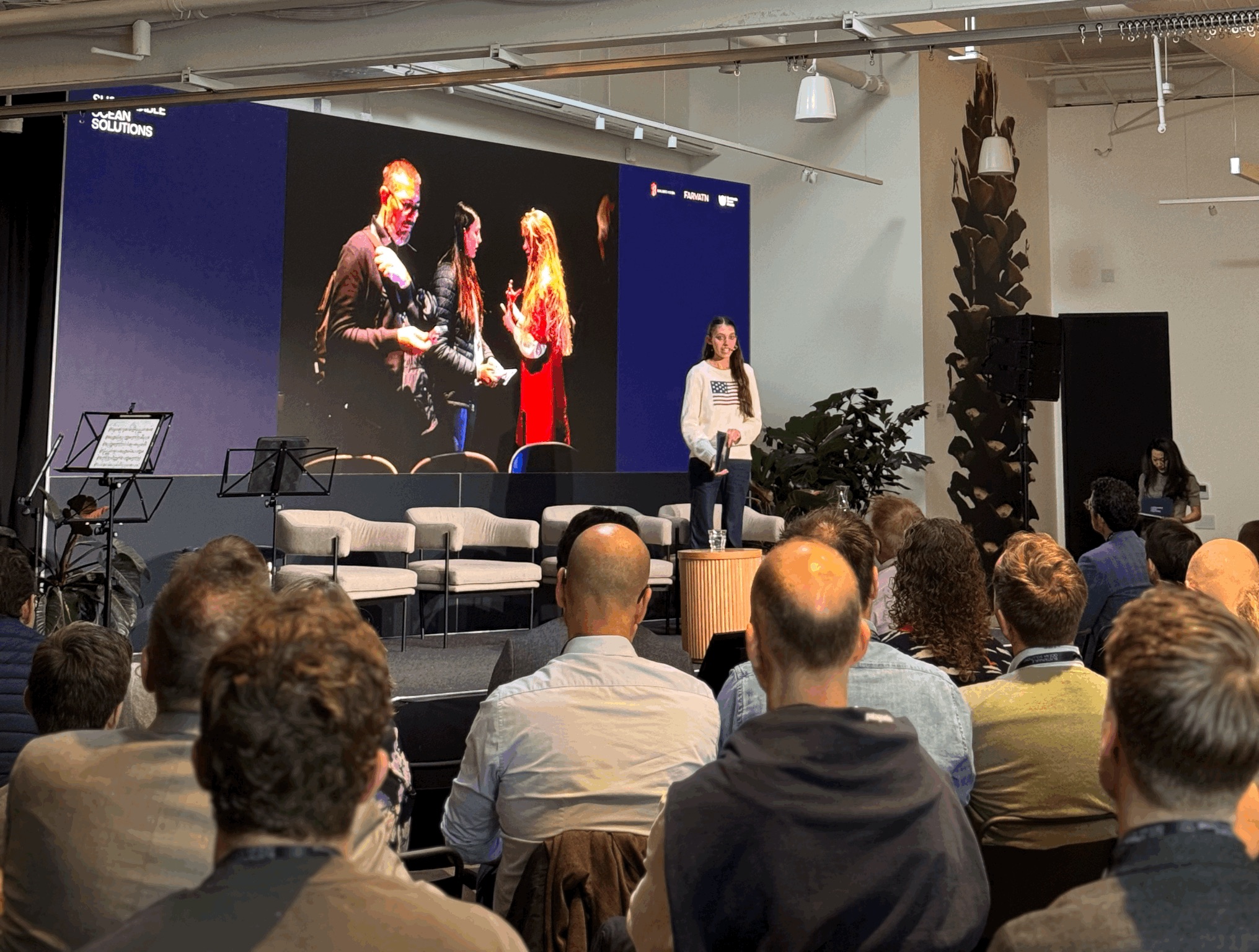
At just 13, Sophia Siddiqui attended the SOS Summit 2023 — an experience that helped shape her ambition to pursue marine biology. Two years later, driven by her continued engagement and curiosity, she was invited back to the SOS Summit 2025 to take the stage herself. In this blog post, you can read her reflections and the speech she delivered.
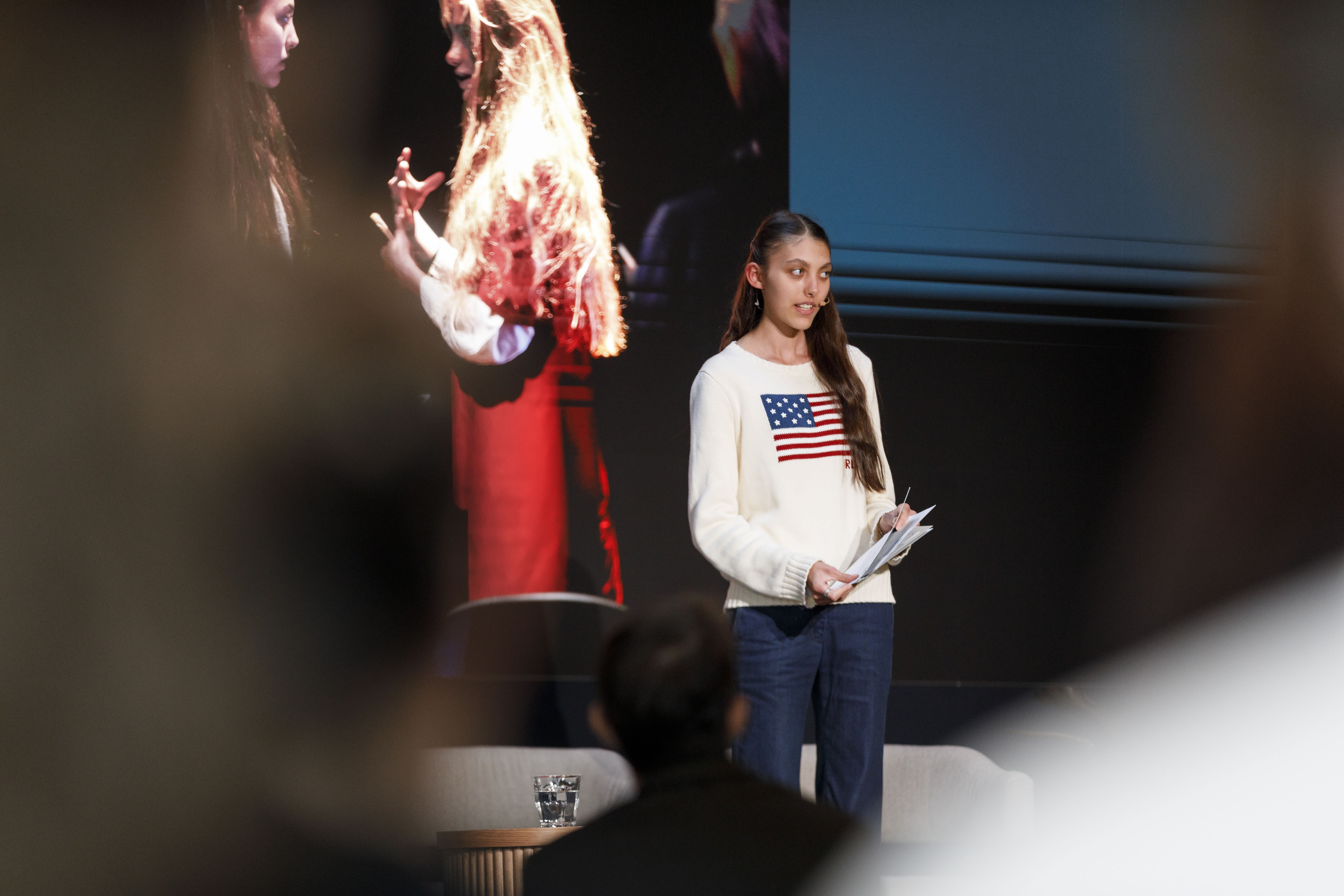
Evolution at the Speed of Climate Change: Why Our Oceans Need More Than a Speech
By Sophia Siddiqui
The oceans cover more than 70% of our planet, yet for most of us, they are just a pretty "wallpaper" on our iPhones. We never appreciate all that the ocean does for us-how it sustains life on land- because we live on solid ground. Yet with rising sea temperatures we may all be living on the ocean one day.
This isn’t just a hypothetical future for us; it’s a current reality for marine species whose homes are being destroyed by rising temperatures.
The Power of Simple Communication
In 2023, I attended the SOS Summit in Bergen, Norway.
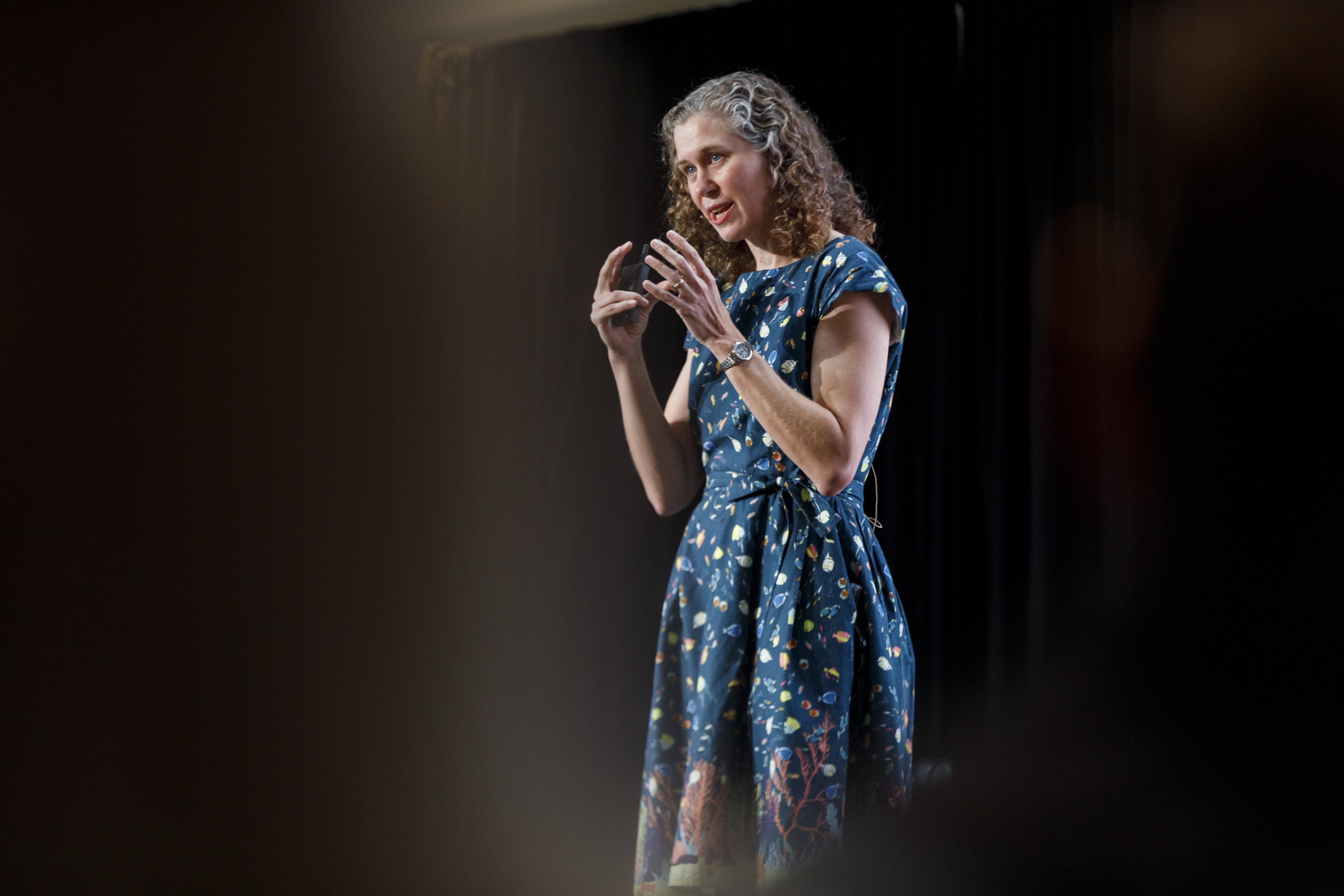
While I was there, I noticed that one of the speakers was a young teenage activist who spoke clearly, rather than using complicated jargon like many of the other speakers.
Because of this I could actually understand what she was saying which helped me realize that I wanted to pursue marine biology.
I was captivated by what she was saying and how passionate she was which made me realize that marine biology is not only an interest but my passion and like her I would want to help marine life in the future.
That experience taught me that while we need experts, we also need translators. We need to bridge the gap between complex science and the public awareness required to drive change.
CRISPR: Nature’s "Search and Replace" Tool
In my school research on the Great Barrier Reef, I looked at how we might use CRISPR-Cas9 - a revolutionary gene-editing technology - to save coral.
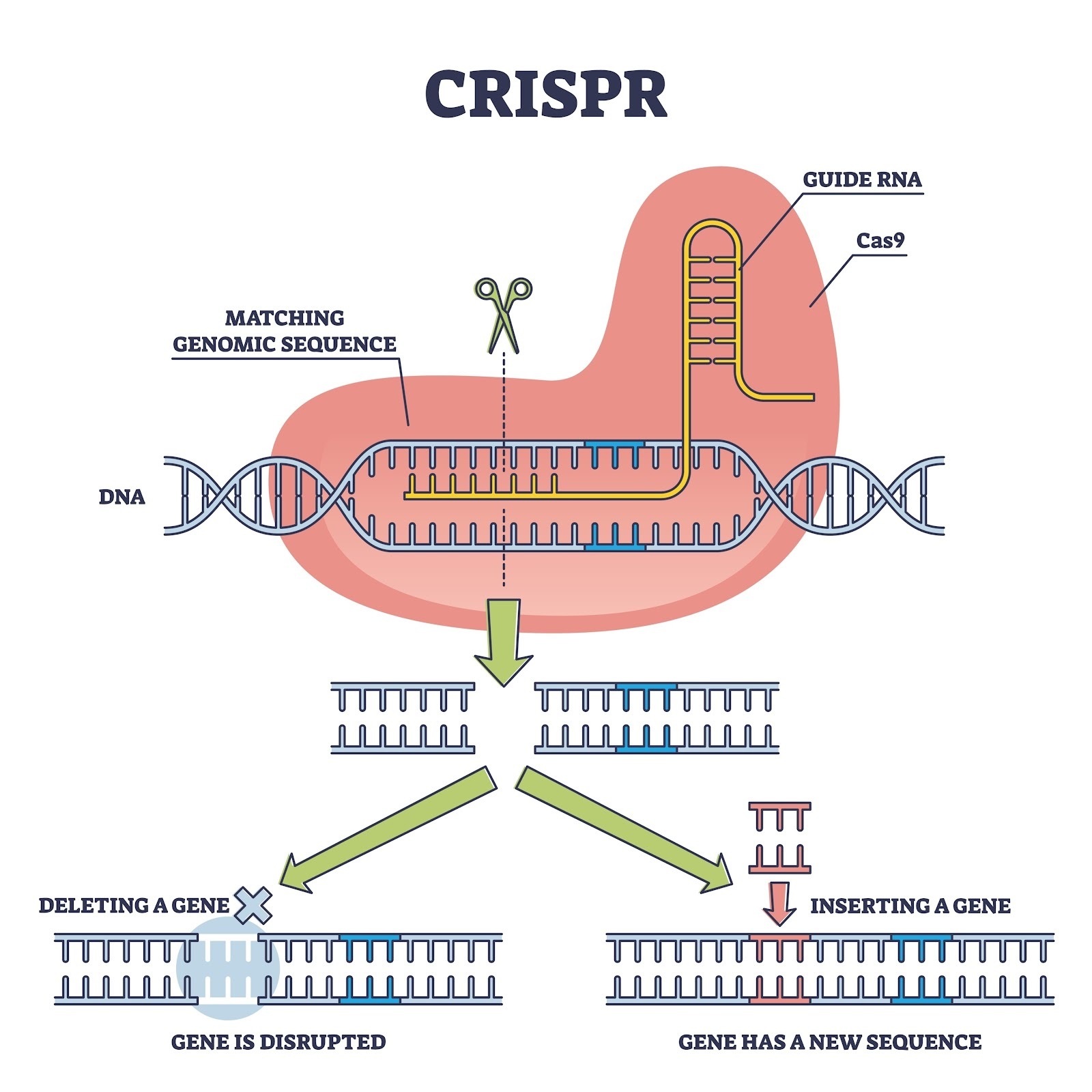
Picture Credit: Shutterstock
Evolution is a natural process of adaptation, but it takes organisms centuries to adapt. And rather than waiting for the corals to adapt to rapidly rising temps, and dying in the process, we could just hit the “Light Speed” button.
Learning about coral bleaching, in particular, made me painfully aware of the suffering these beautiful living beings experience as they die, slowly and painfully. This really affected me.
CRISPR acts like a set of "molecular scissors," allowing scientists to identify and tweak specific genes - such as those responsible for heat tolerance - to help organisms survive in warming waters.
We often worry about "interfering" with nature, but the reality is that humans have already interfered with the climate. Every day, we pollute our oceans and dump plastics everywhere, destroying our planet.
If it’s considered unethical to use technology to our advantage, and to save coral reefs (and not just to make videogames), then is it ethical to continue trashing our planet instead?
Botox vs. Biology
I'm not blaming anyone directly as it's something that has happened over time. However, now that we do know more about our impact on our world, it's time to take action. But nowadays it's hard to find any coverage surrounding the environment in my “For You” Page.
I recently tried to find news articles on marine biology, but my feed was "flooded" with celebrity gossip and news about Botox treatments. Even in apps like Apple News or popular podcast charts, the environment is often the very last category listed.
We need to hold media companies responsible for the impact their algorithms have on the planet. If the most pressing issue of our generation is buried under celebrity trends, we can’t expect a global movement for change.
Beyond Human Interest
Logically, we should save the oceans because they sustain us. But my hope is that we do it because it is the right thing to do. We must give a voice to the helpless living creatures who don’t understand why their world around them is being destroyed. Every small action helps. We don't have to be experts to help - we just have to be willing to act.
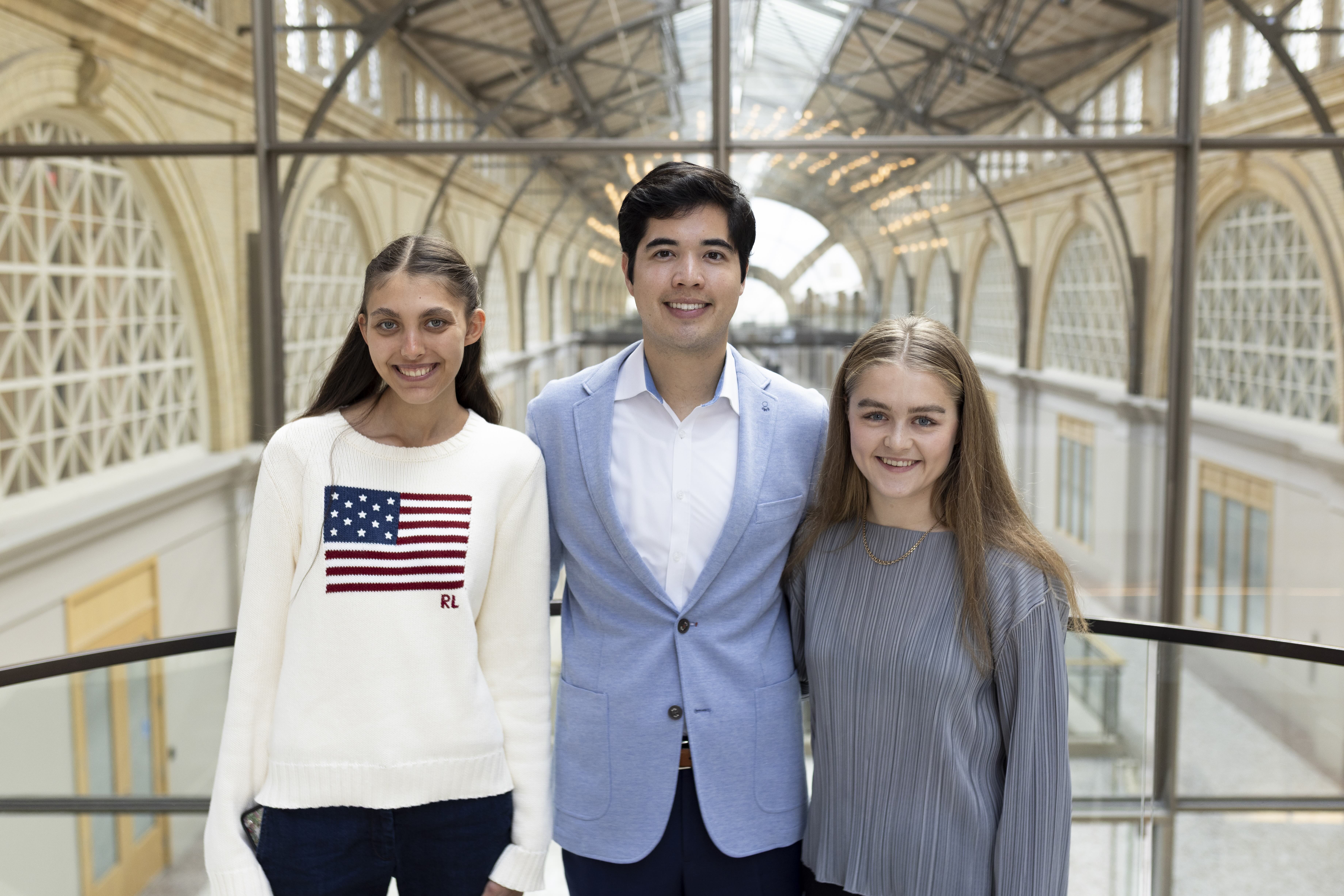
The Original Speech: SOS Ocean Conference 2025
The following is the original 2-minute “TED-style” talk delivered at the SOS Ocean Conference 2025. It is reproduced verbatim and served as the foundation for this post.
OUR OCEANS
The oceans cover more than 70% of our planet.
Most of us take them for granted - because we live on solid ground.
But with rising sea levels, that may not always be true.
One day, we could all be living on the water.
That’s why we can’t afford to ignore our oceans.
And let’s not forget - the oceans sustain life on land.
They’re not just a wallpaper on your iPhone.
SPEAKER WHO INSPIRED ME
When I went to the SOS Summit in Bergen in 2023, I heard a speaker who inspired me.
She was a young teenage activist - and she was one of the few people who didn’t speak in complicated jargon or assume everyone knew what she meant.
Because of that, I could actually understand and relate to what she was saying.
She helped inspire me to want to become a marine biologist and work with others to help protect marine species.
So when I had to write a speech for a school project, I chose the coral reefs in Australia and how we could use gene editing technologies like, CRISPR to help them to better adapt to rising sea temperatures.
VOICE FOR OCEAN LIFE
As humans, we need to give a voice to those who don’t have one and help protect their world.
Just imagine if you were in their position?
- a helpless animal not understanding why their world is rapidly being destroyed around them.
LACK OF MEDIA AWARENESS
But how can we help if we’re not even aware?
Just the other day, I tried looking for news articles related to marine biology but I could hardly find any.
Instead what was flooding my page was gossip about which celebrity got the most recent Botox.
WE DON’T HAVE TO BE EXPERTS TO HELP
We don’t have to be experts to help.
Every small action matters.
There might never be one perfect answer,
but if we all do small things together, they can add up to big change.
CLOSING
As humans, logically, we should be doing everything we can to preserve our oceans.
But let’s not do this just because of our HUMAN interests -
but because it’s the right thing to do.
Thank you.
Further Reading & Resources
- Sea Level Rise: Learn more about the accelerating rates of rising waters at NOAA’s Sea Level Rise Viewer.
- CRISPR & Corals: Read about the Stanford/Carnegie research on using gene editing to understand coral heat stress.
- Media & Climate: Explore the Earth Day Network’s report on the responsibility of news outlets in climate coverage.
About the Author
Sophia Siddiqui is a "third-culture kid" of British and German descent, born in Dubai and currently a junior at Los Altos High School in California. After being inspired by youth activists at the 2023 SOS Summit in Norway, she decided to pursue a career in marine biology. She is interested in how new tech like CRISPR can help save endangered species and hopes to study this further at university. She is passionate about helping marine life and saving our oceans and understanding the secrets behind marine creatures and the magical world out of our reach.
%20%E2%80%93%20middels.jpeg)



.webp)