

Youth voices rising

One Ocean Youth Panel member Mira Santos first joined the SOS community during the April kickoff in Bergen. After participating in SOS Summit 2025, she shares a sharp and inspiring reflection on why cross-disciplinary collaboration—and a new relationship with the ocean—is essential for the future.
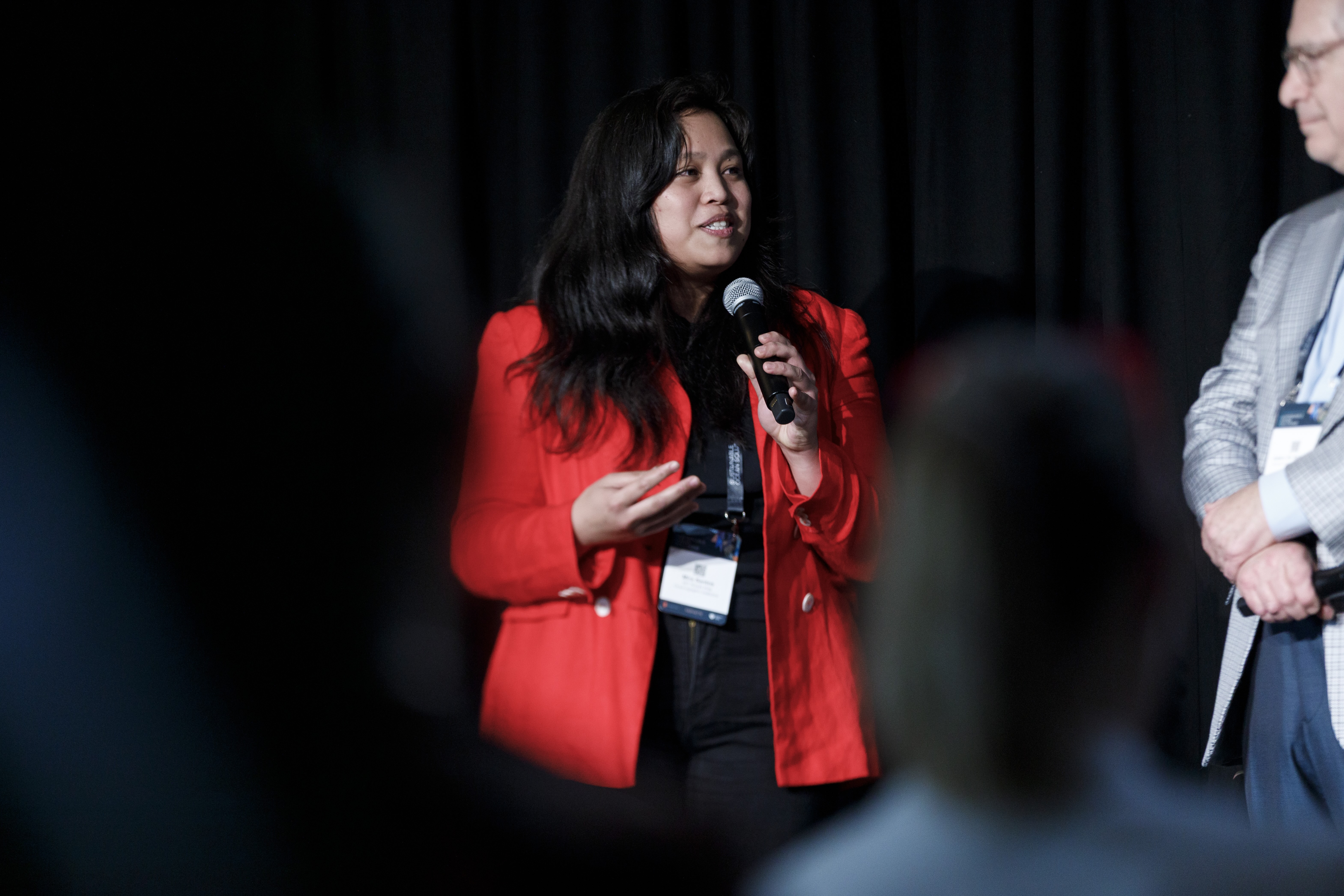
Mira is a PhD candidate in Biological Oceanography at the MIT/WHOI Joint Program, where she researches how phytoplankton respond to climate change. She also has a strong interest in sustainable food systems and the alternative seafood industry. For Mira, the ocean is both a professional passion and a personal connection. Through the One Ocean Youth Panel, she wants to contribute to a change in how we relate to the ocean - from exploitation to management. She hopes to inspire responsible and sustainable actions for future generations.
Text: Mira Santos
The ocean demands respect for its complexity
The summit reinforced a humbling reality: understanding how the ocean works is difficult, but putting that knowledge to work sustainably for people is even harder. From Fleet Robotics' ship-traversing robots to Watermoon's submersible fish farms achieving 1.2% mortality rates, the technical innovations on display were impressive. Yet each breakthrough underscored the same challenge: the ocean demands respect for its complexity.
Connecting people emotionally
That complexity extends to our relationship with it. We turn to it for energy and protein, but also for inspiration and a sense of belonging. Dr. Shireen Rahimi's underwater filmmaking reminds us that connecting people emotionally to ocean ecosystems might be just as important as the technical solutions. As she noted, "real work inspires people, not issues."
Breaking silos
The coordination challenge became apparent in every panel. Marine scientists speak one language, venture capitalists another, and policymakers yet another. Tom Chi from At One Ventures highlighted how most decision-making remains frustratingly short-term, while climate solutions require accepting short-term energy hits for long-term survival. Breaking these silos is crucial for our survival.
Perhaps Andri Snær Magnason captured it best when he shared Max Planck's observation about scientific progress: new truths don't triumph by converting opponents but by outliving them. The future, quite literally, lies with the youth who grow up familiar with these ideas from the beginning.
Youth aren't waiting for permission
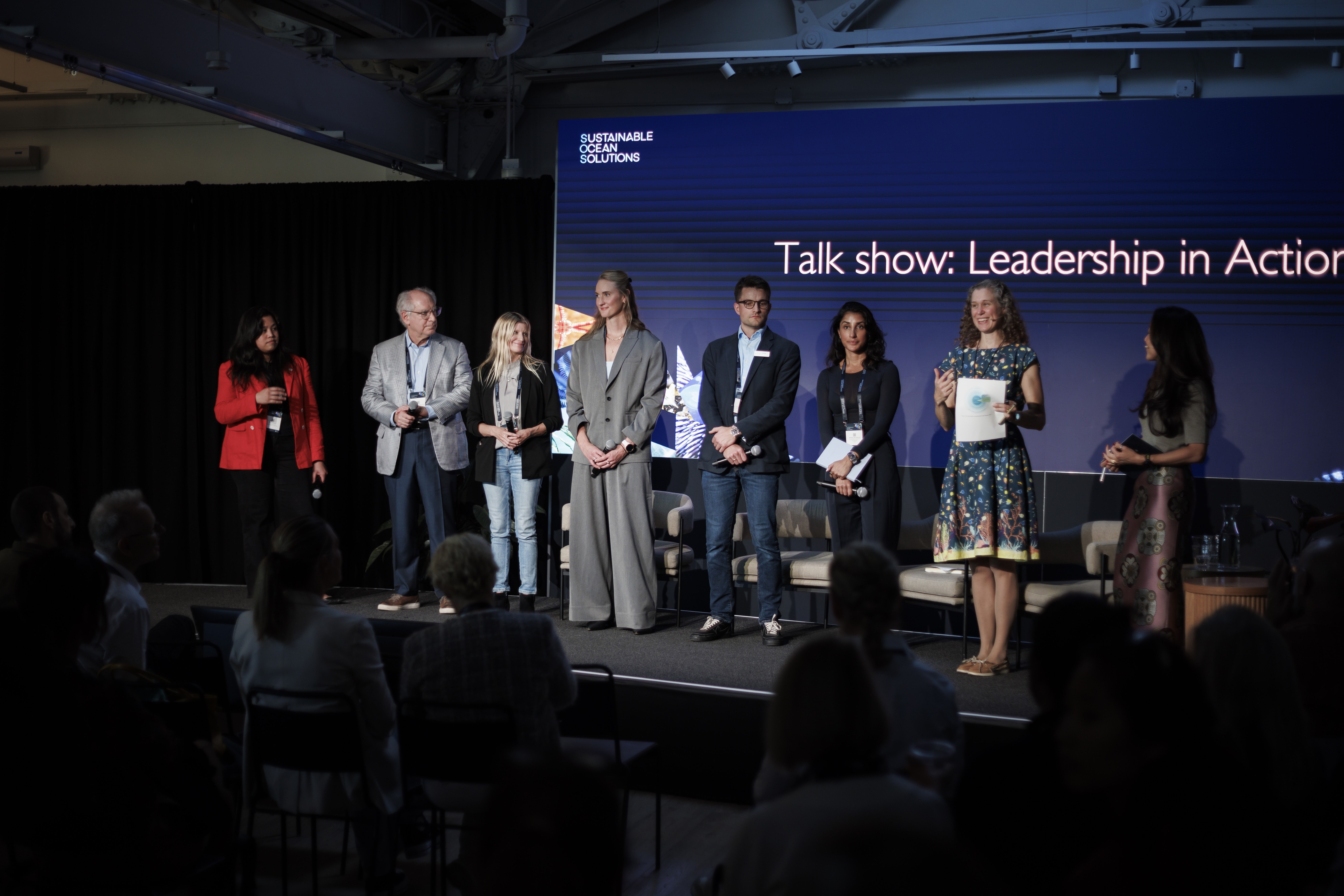
The One Ocean Youth panel embodies this generational shift. We've been hard at work since our last gathering: speaking at UNOC, finishing PhDs, and embarking on new research and policy initiatives. Our cohort will reconvene in Bergen in April 2026, bringing fresh perspectives shaped by both academic rigor and real-world implementation. This continuity matters: young ocean leaders aren't waiting for permission to act.
Art, empathy, and storytelling
The path forward requires what several speakers called "patient money" and "catalytic philanthropy"—investment that understands the ocean's timescales, not quarterly earnings reports. It demands multidisciplinary approaches that embrace not just data and economics, but art, empathy, and storytelling.
As the Norwegian Seafood Council noted, we could harvest six times more seafood globally if we do this right. But "doing it right" means respecting planetary boundaries while creating regenerative economic models. It means accepting that the ocean is both our most incredible resource and our most unforgiving teacher.
Commitment to the ocean’s future
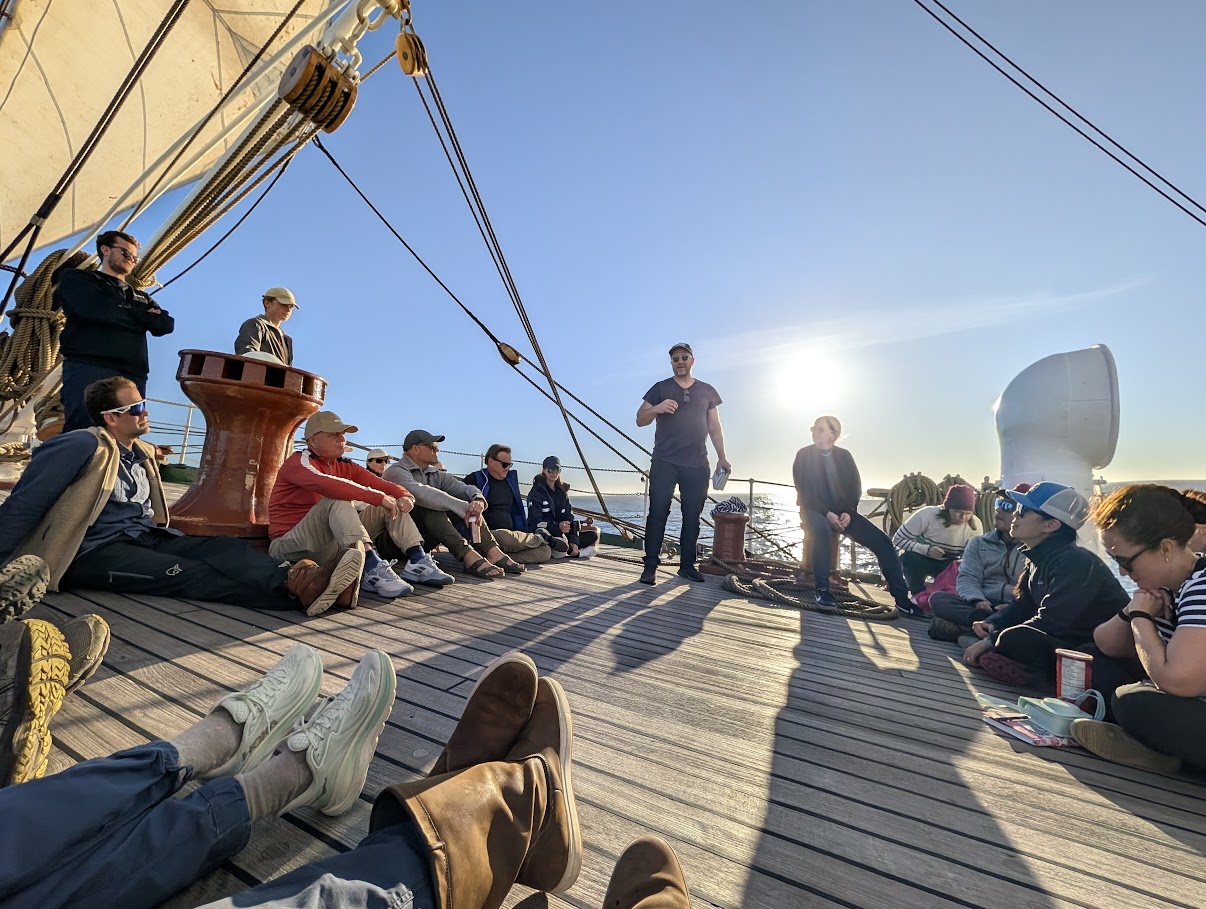
The summit left me with renewed appreciation for the ocean-minded community's sincerity and optimism. These innovators bring genuine passion for healing our planet, combining scientific rigor with an openness to unconventional solutions. Perhaps most inspiring was seeing people across generations, students, elders, and everyone in between, come together around a shared commitment to the ocean’s future.
.jpg)


.webp)